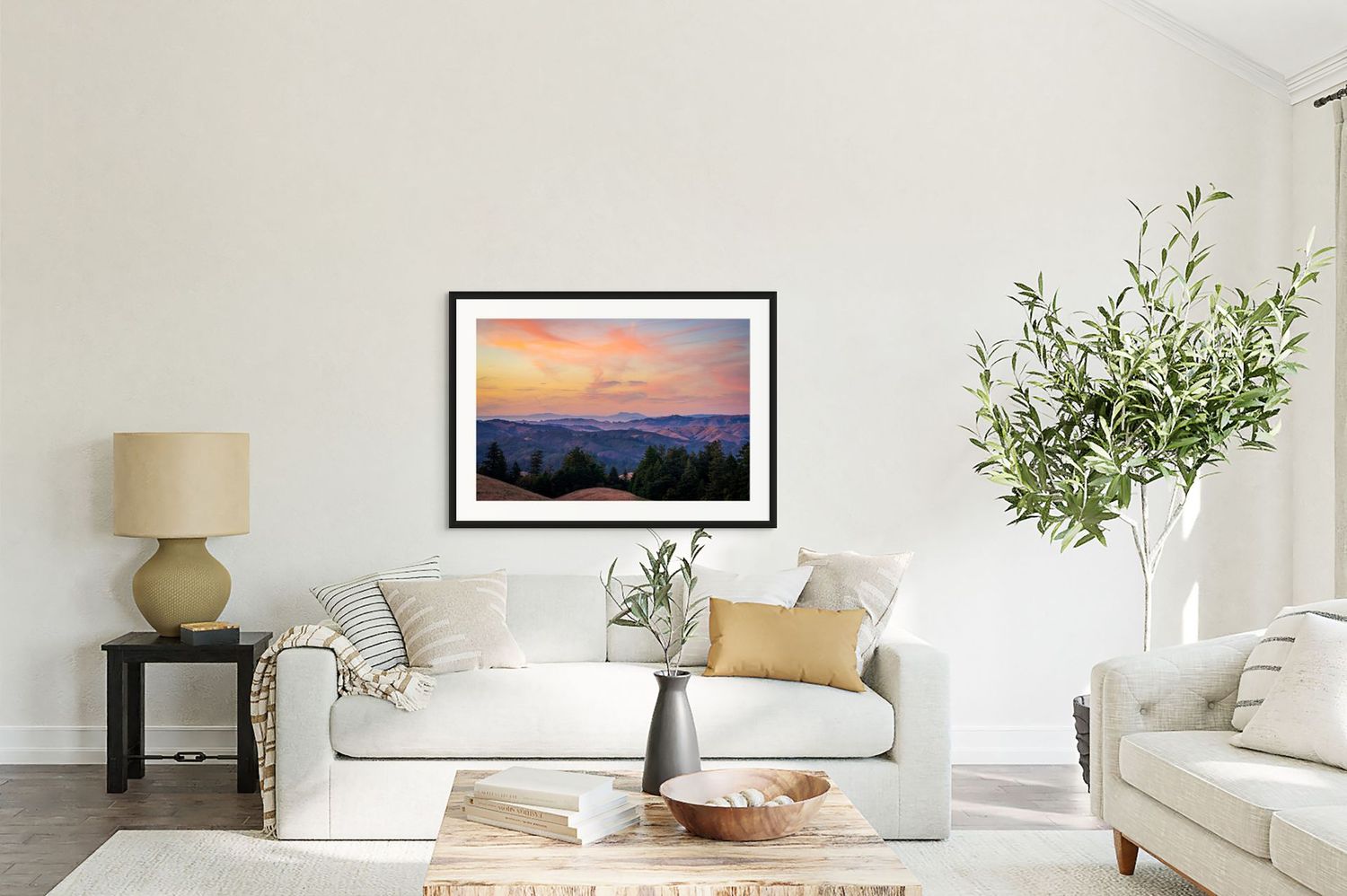
Elliott Erwitt once said that color is descriptive and black and white is interpretive. I've been thinking about that distinction for most of my photographic life, and the longer I think about it, the more I believe both things are necessary.
Not one or the other. Both.
When I look at a landscape, I don't see it once. I see it twice, once in color, once without it. The two images exist simultaneously in my mind, and they're often telling different stories about the same scene. That doubling has become so automatic that I'm not sure I could turn it off if I tried.
What Color Does
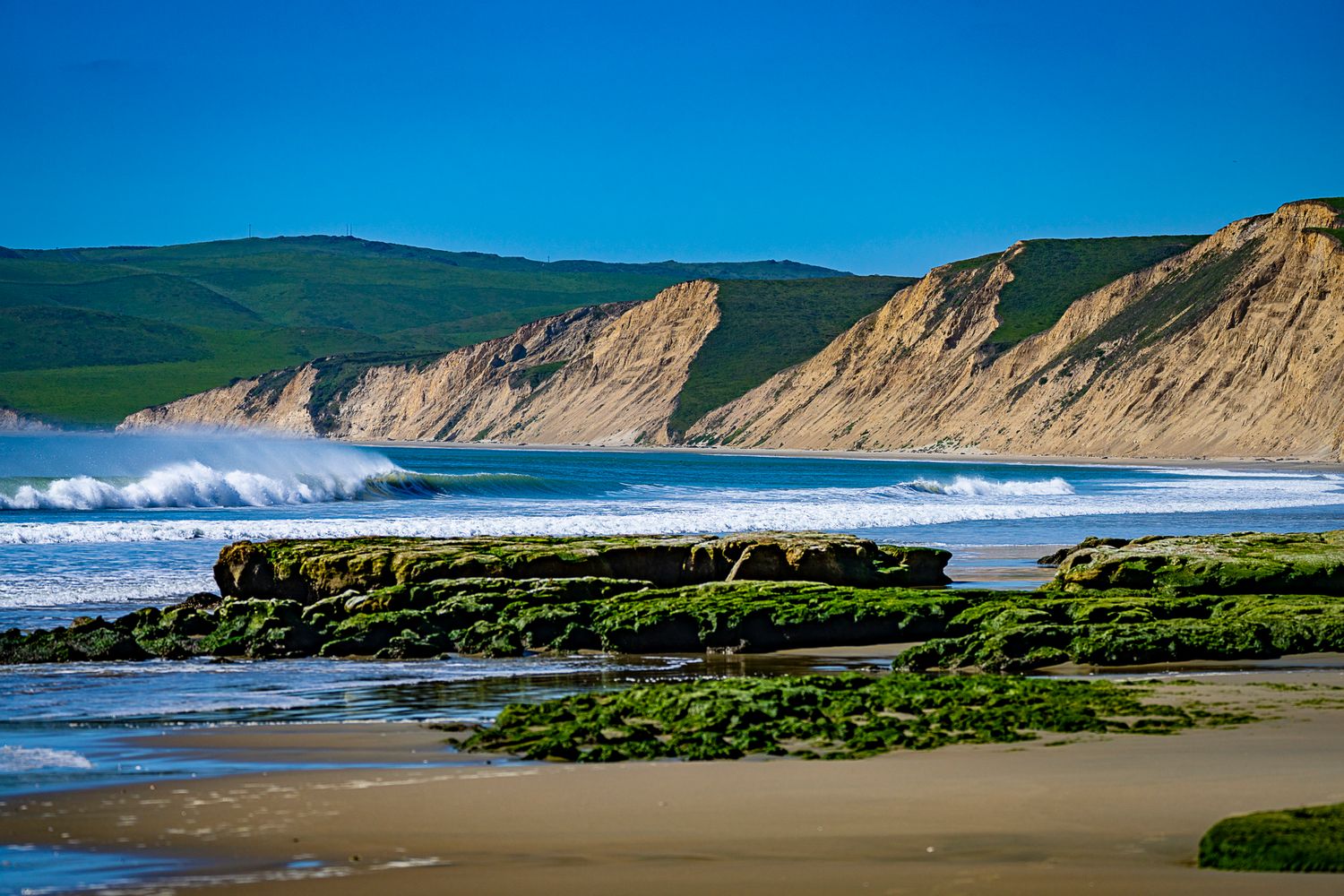
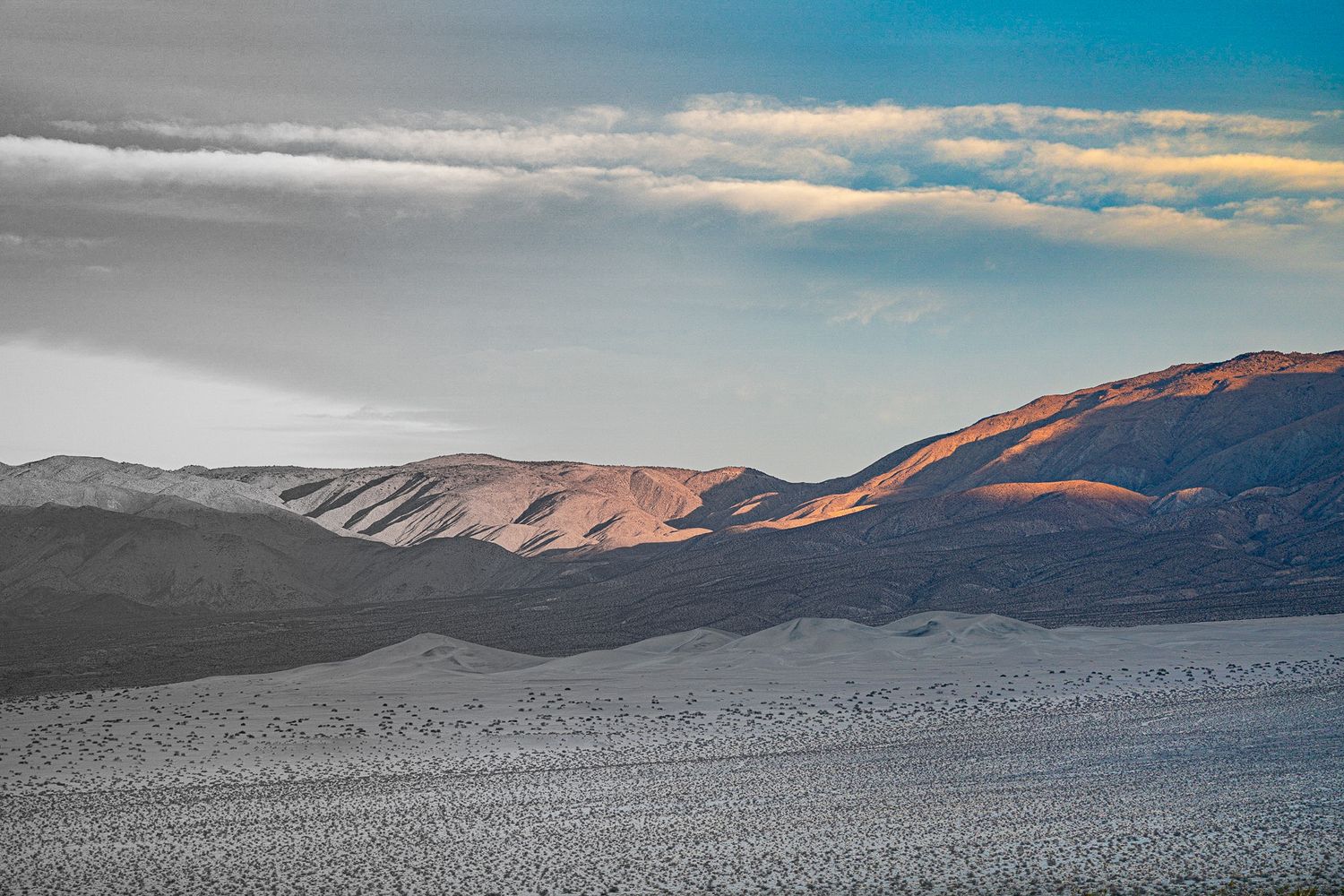
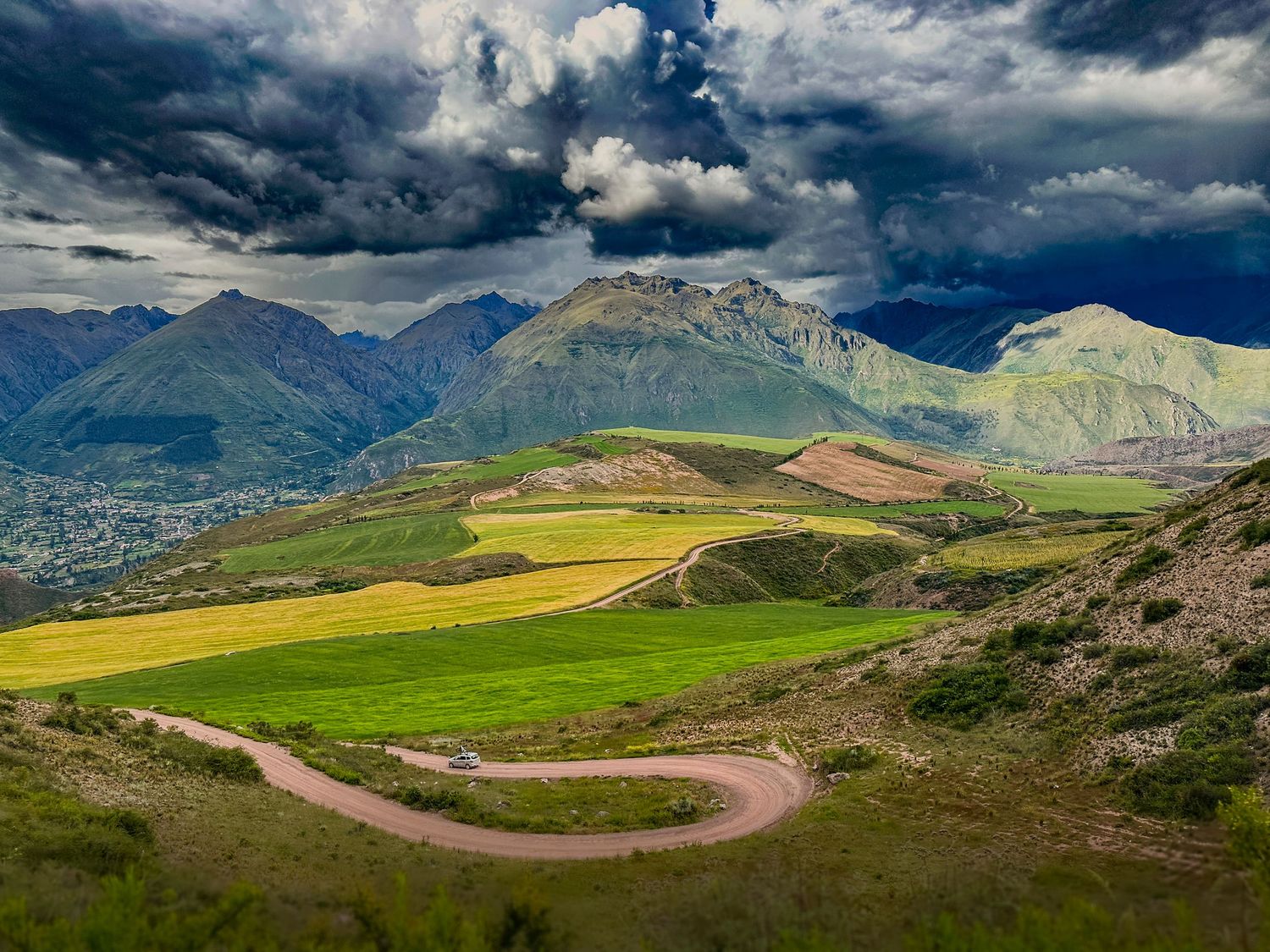
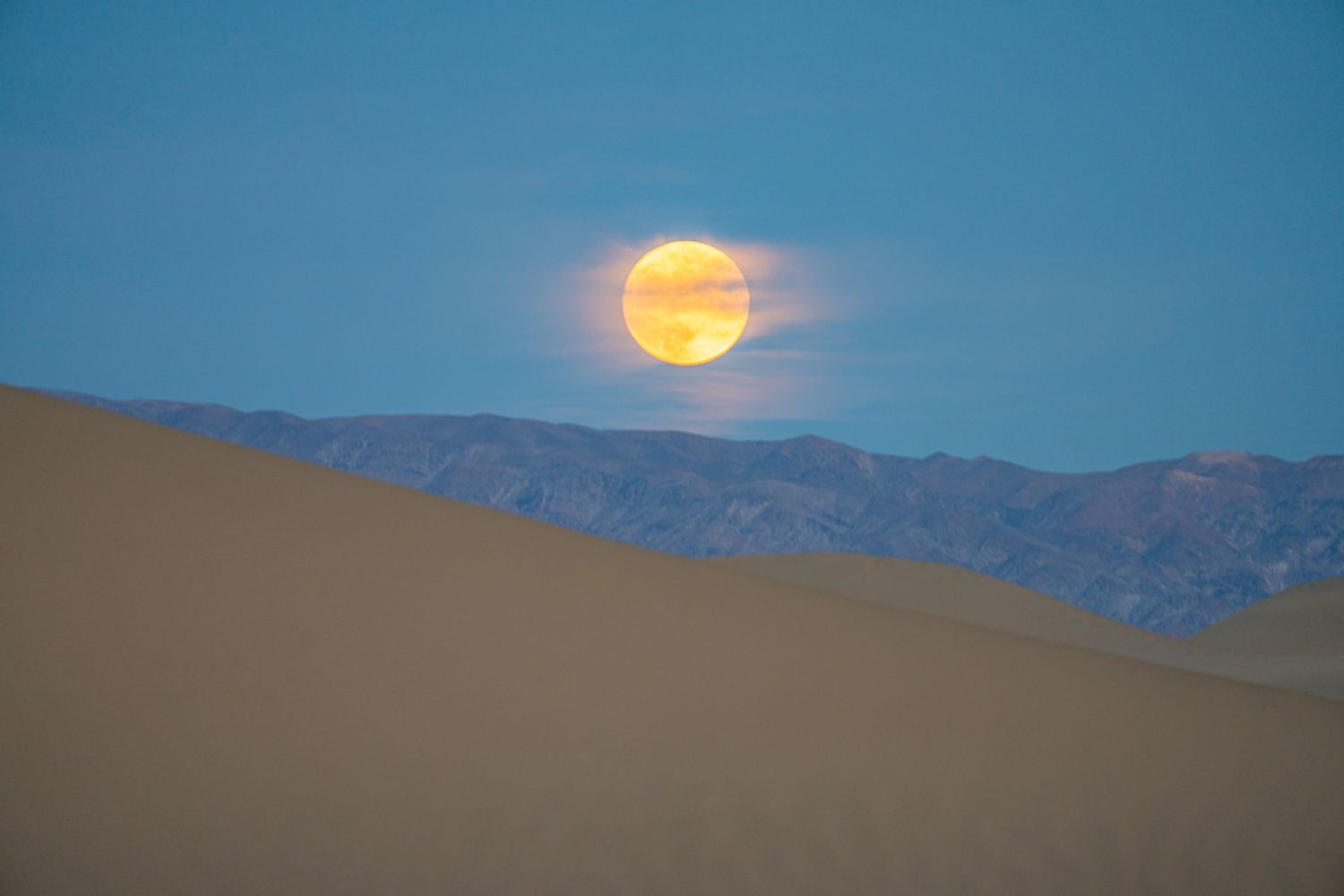
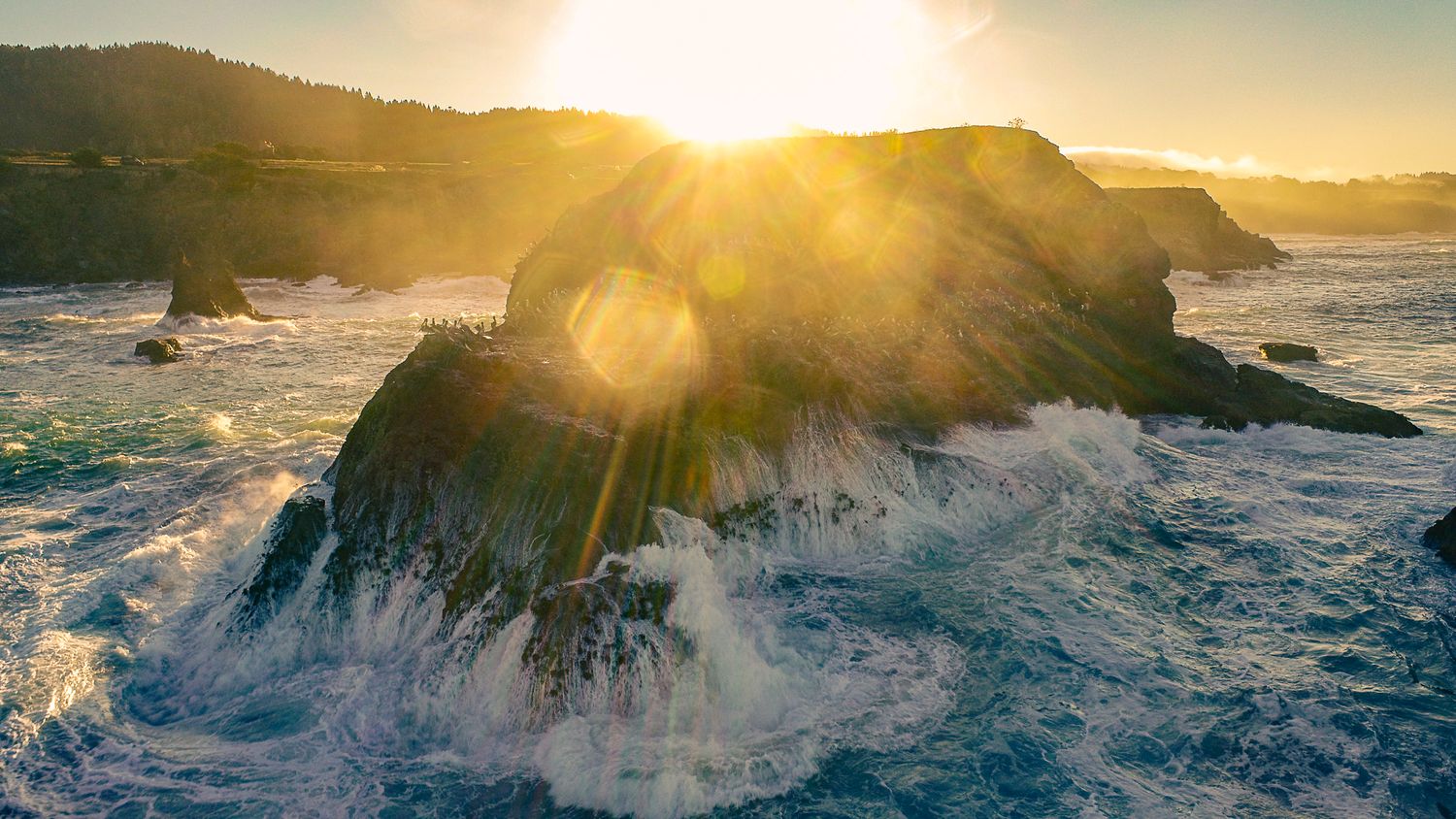
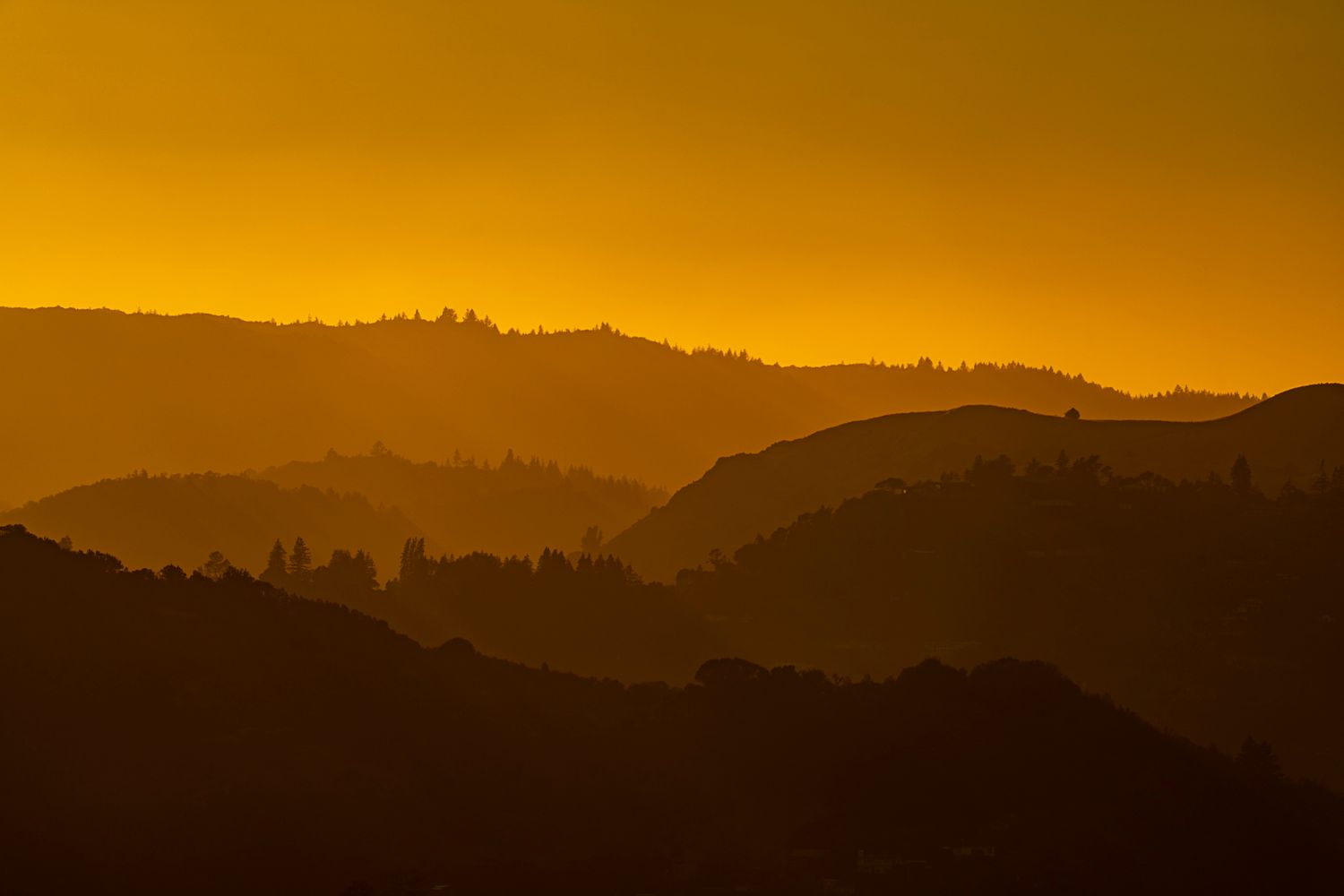
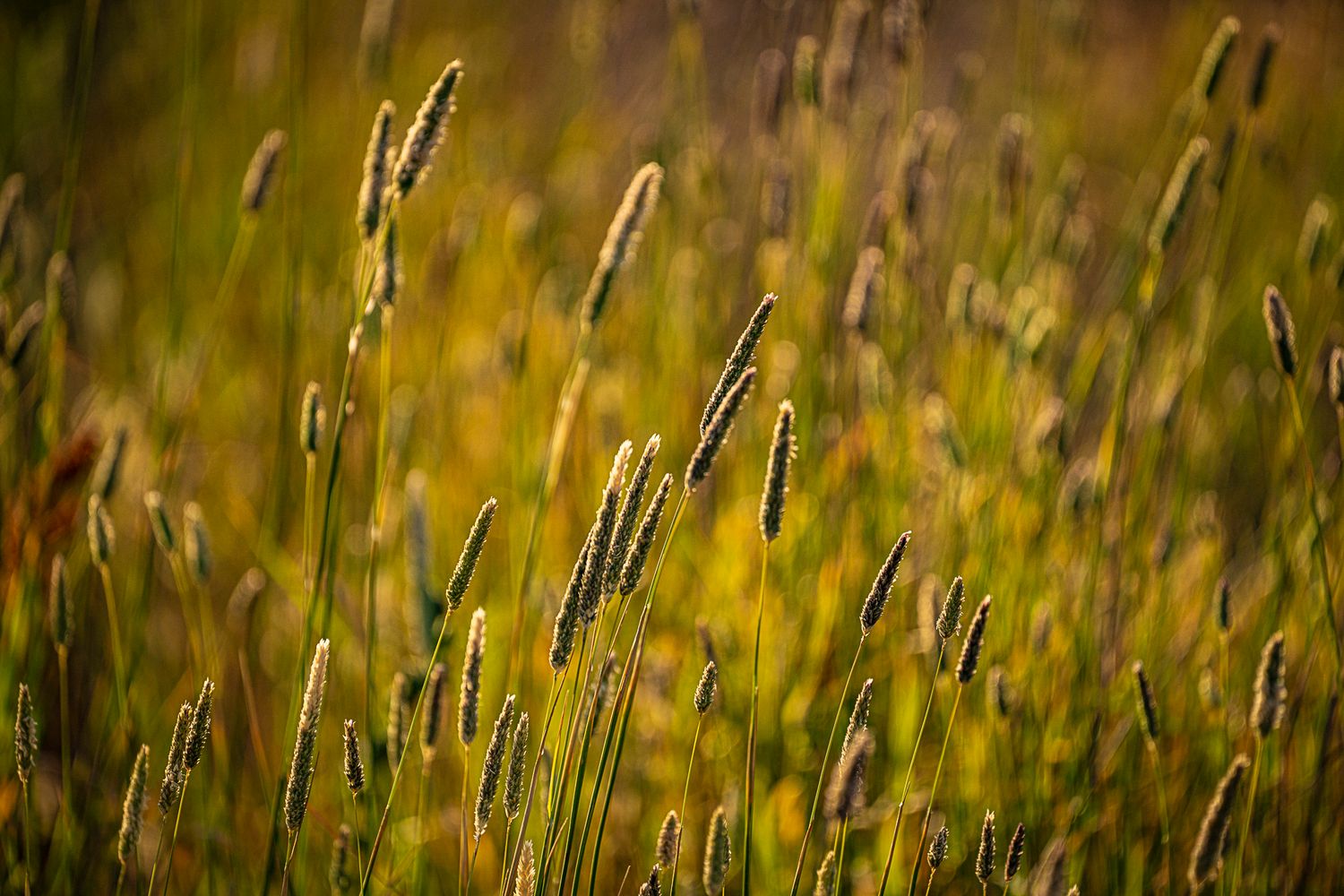
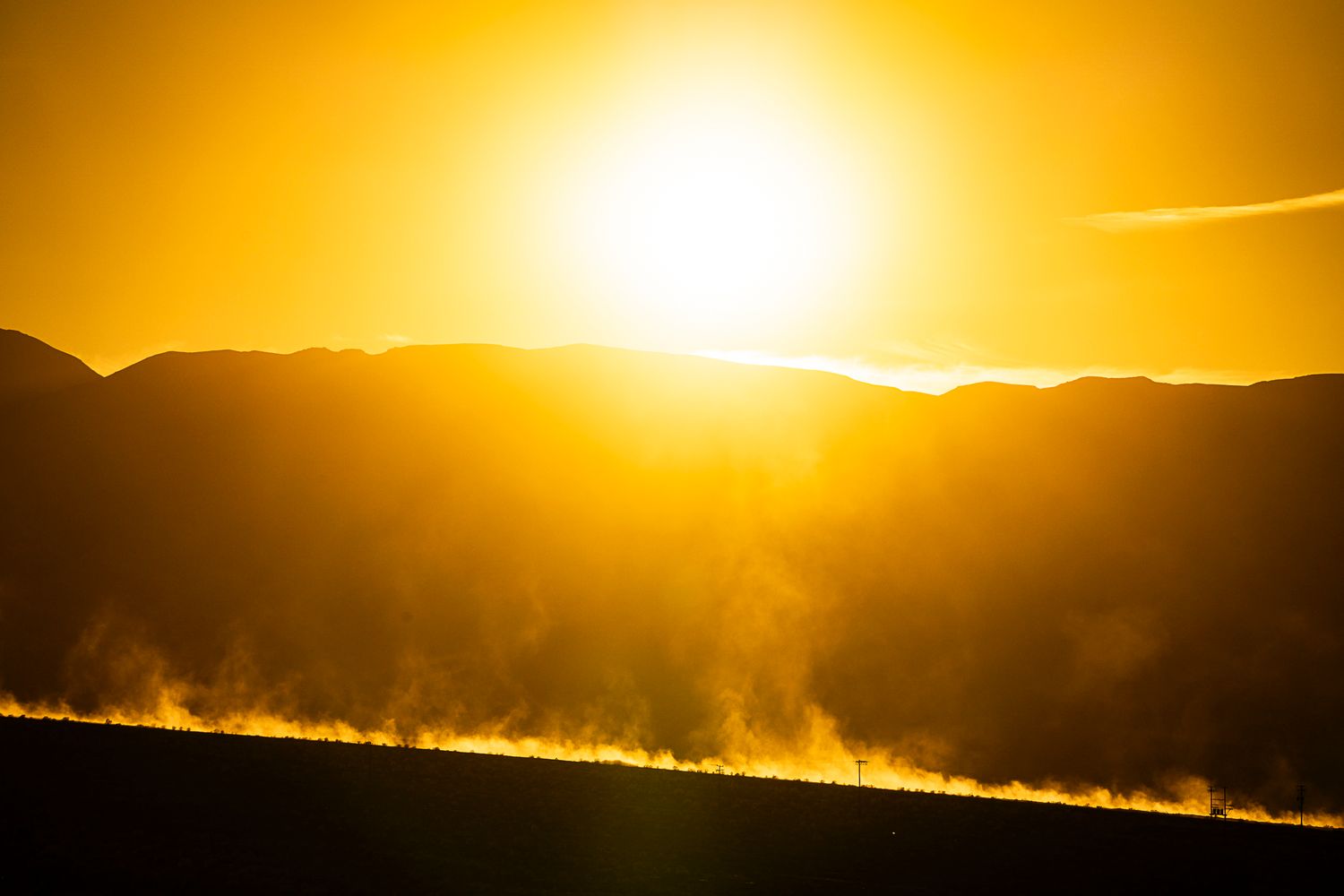
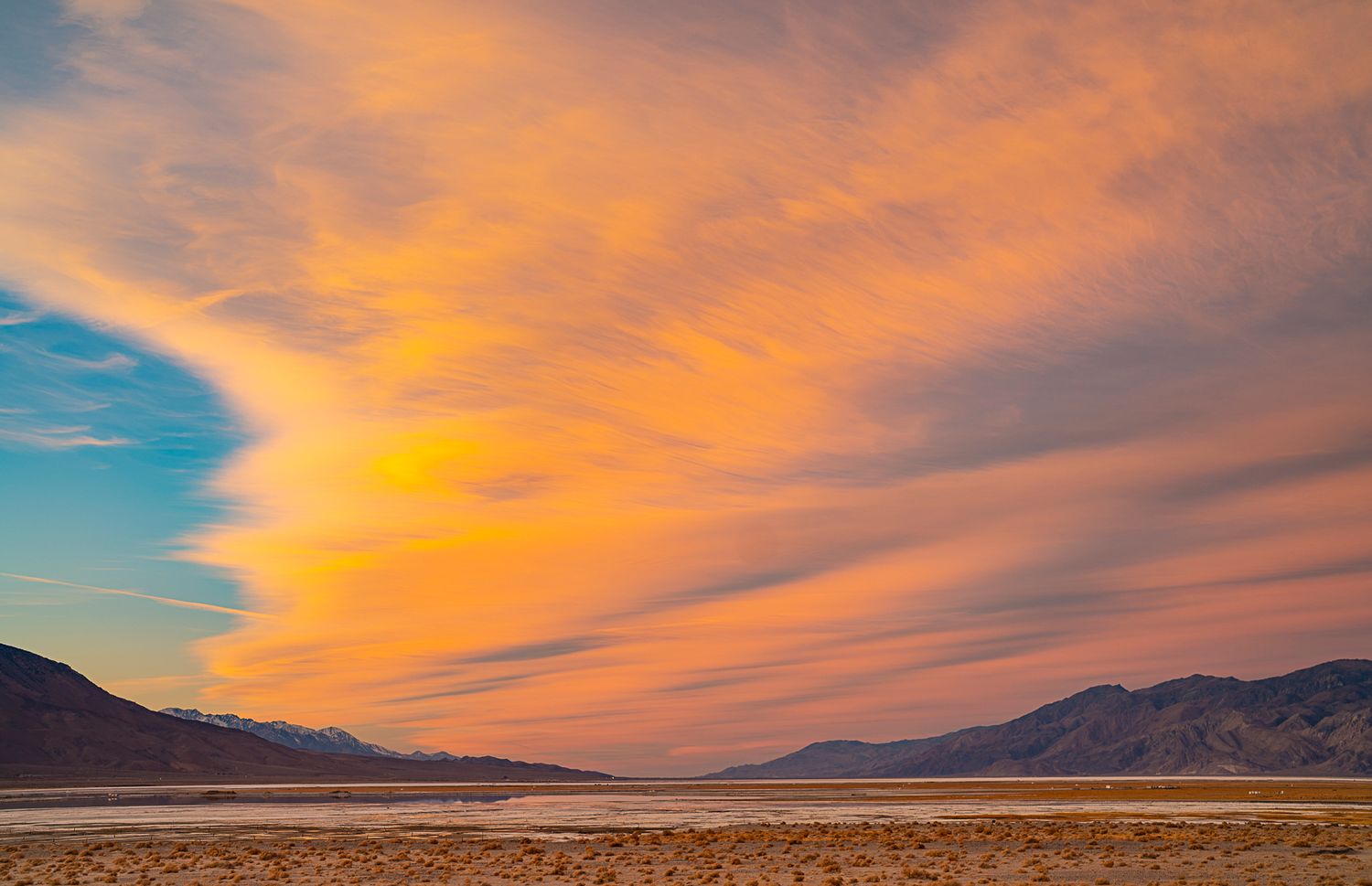
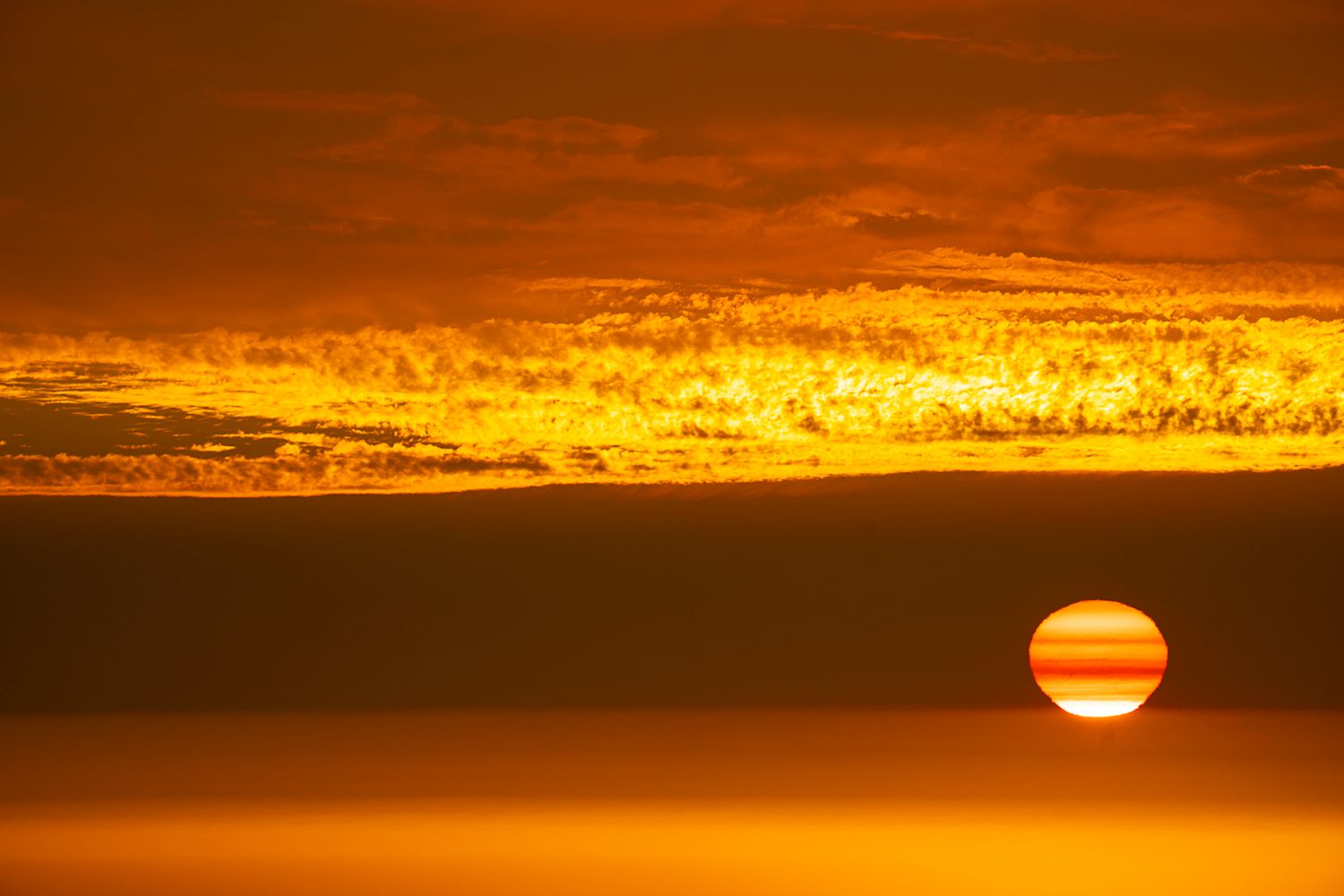
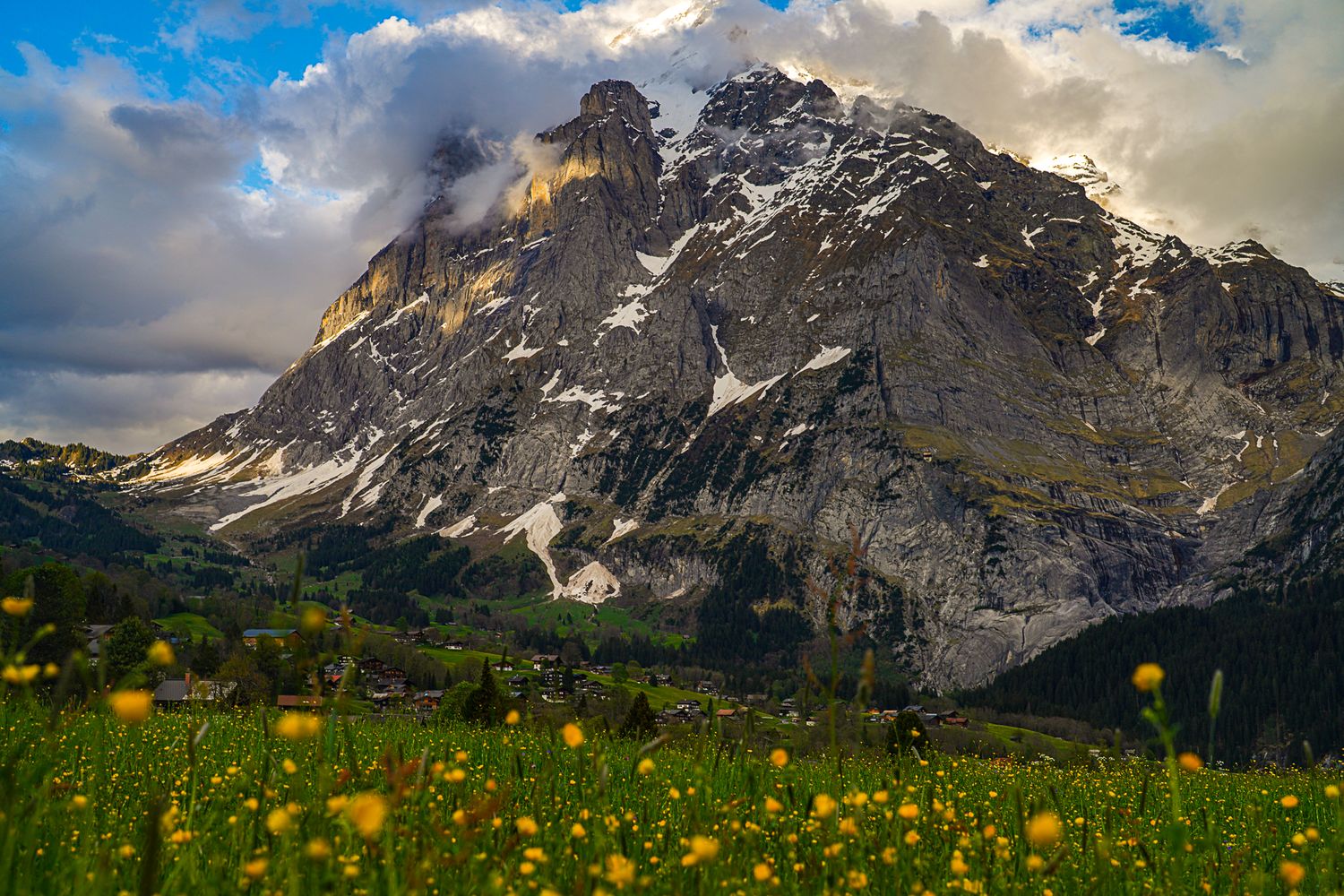
Color carries information that black and white simply can't. The particular green of new grass after a winter rain in the Marin hills. The way Death Valley sand goes from gold to orange to pink in the twenty minutes around sunset. The deep blue of the Pacific on a clear October morning, different from the gray-green it becomes when the fog is close.
These aren't decorative details. They're part of what the place actually is. Color tells you the season, the hour, the temperature, the quality of the air. It puts you there in a way that black and white doesn't try to.
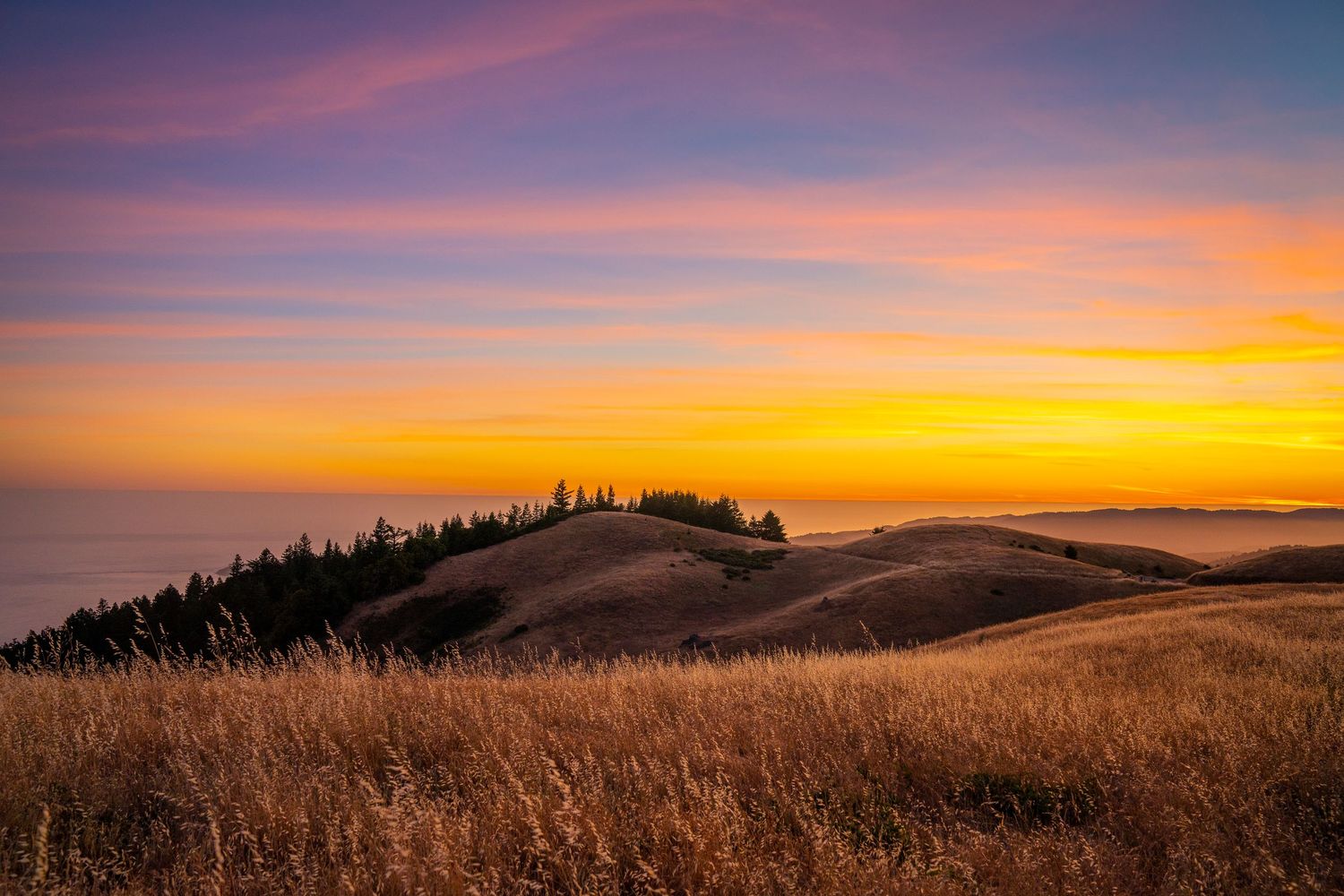
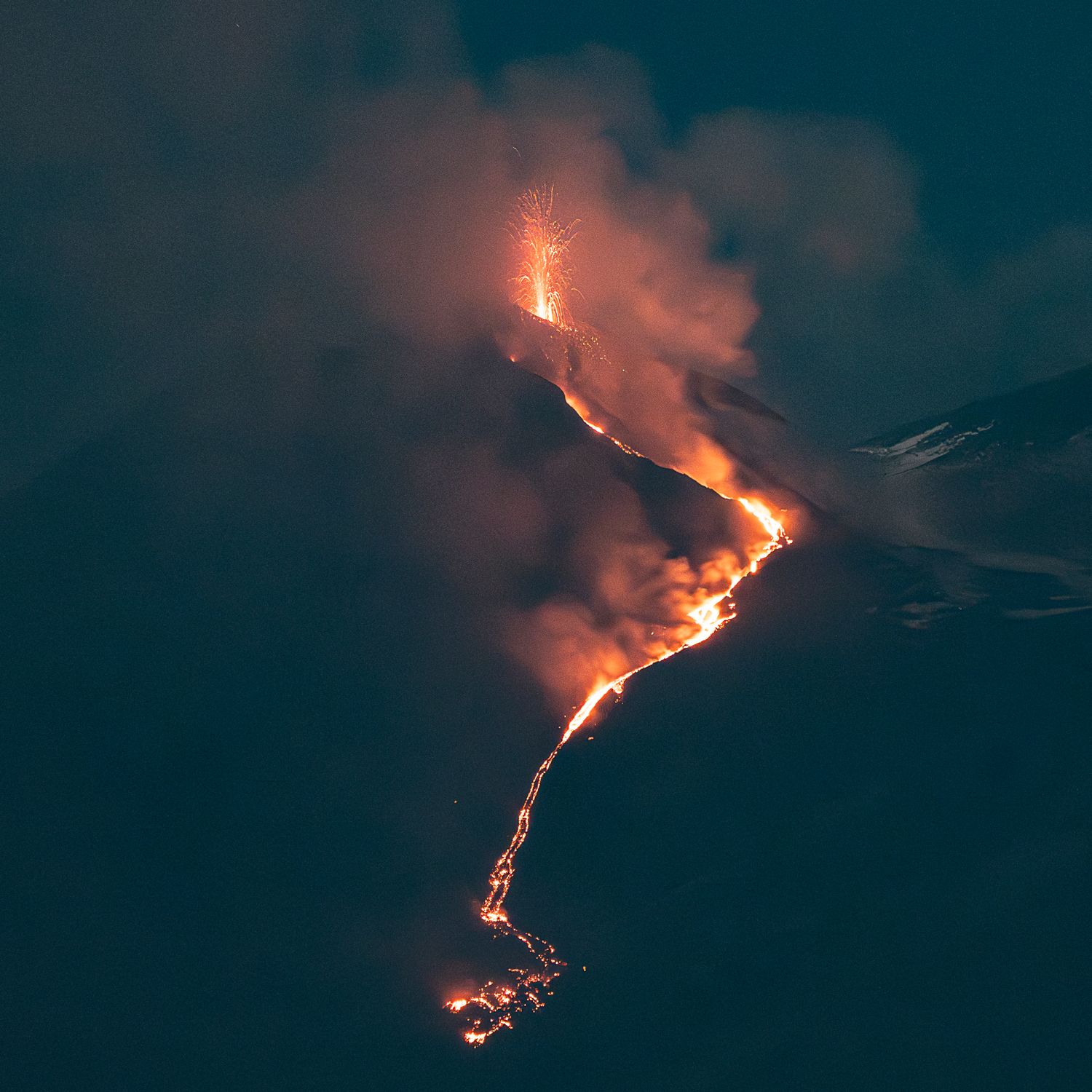
When I'm working in color, I'm paying attention to the relationship between tones, the warm against the cool, the saturated against the muted. A landscape photograph in color is partly a photograph of light itself, of the specific quality of illumination on that particular day at that particular hour. You can't fake it and you can't recreate it. You either catch it or you miss it.

What Black and White Does
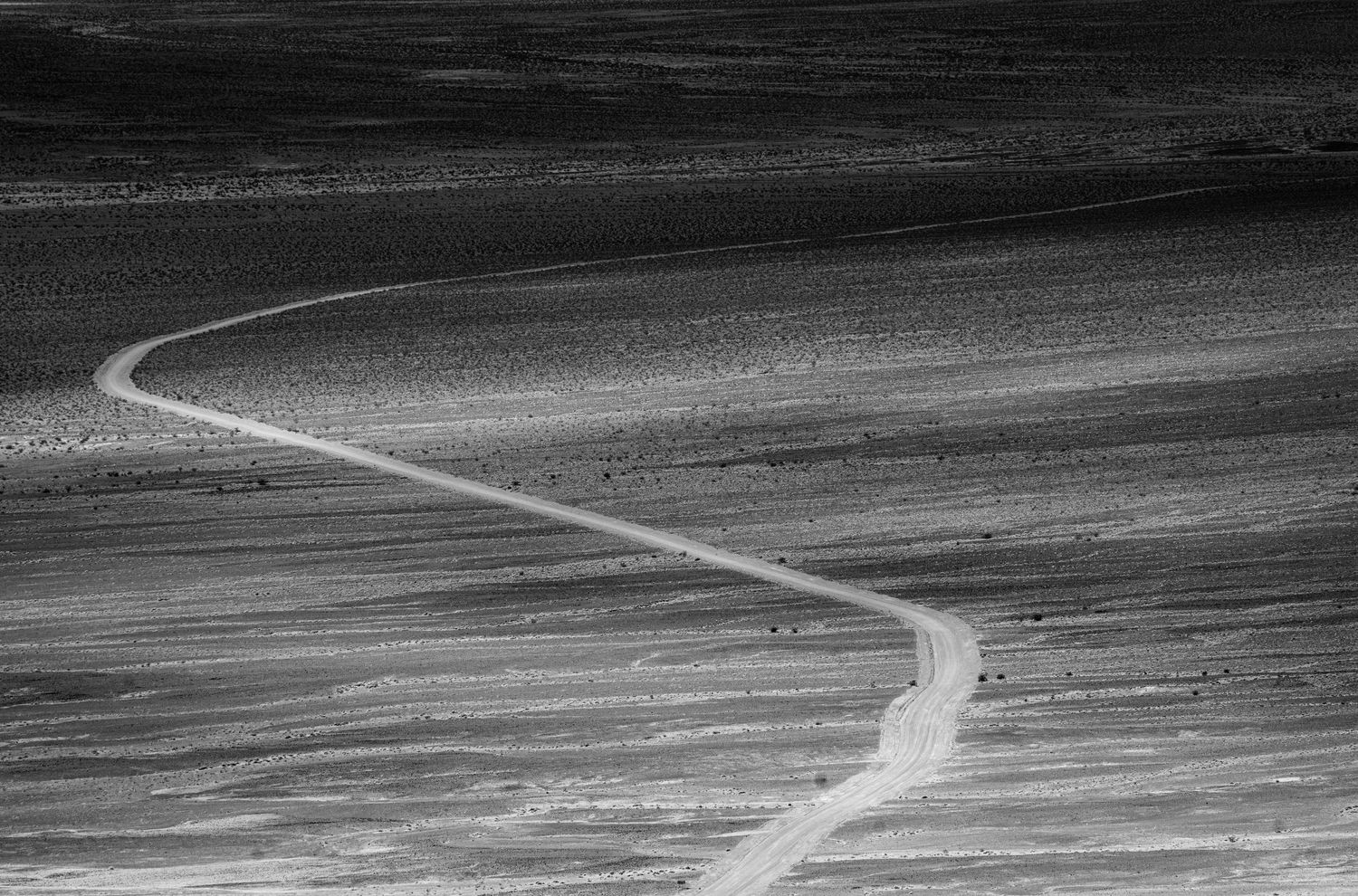
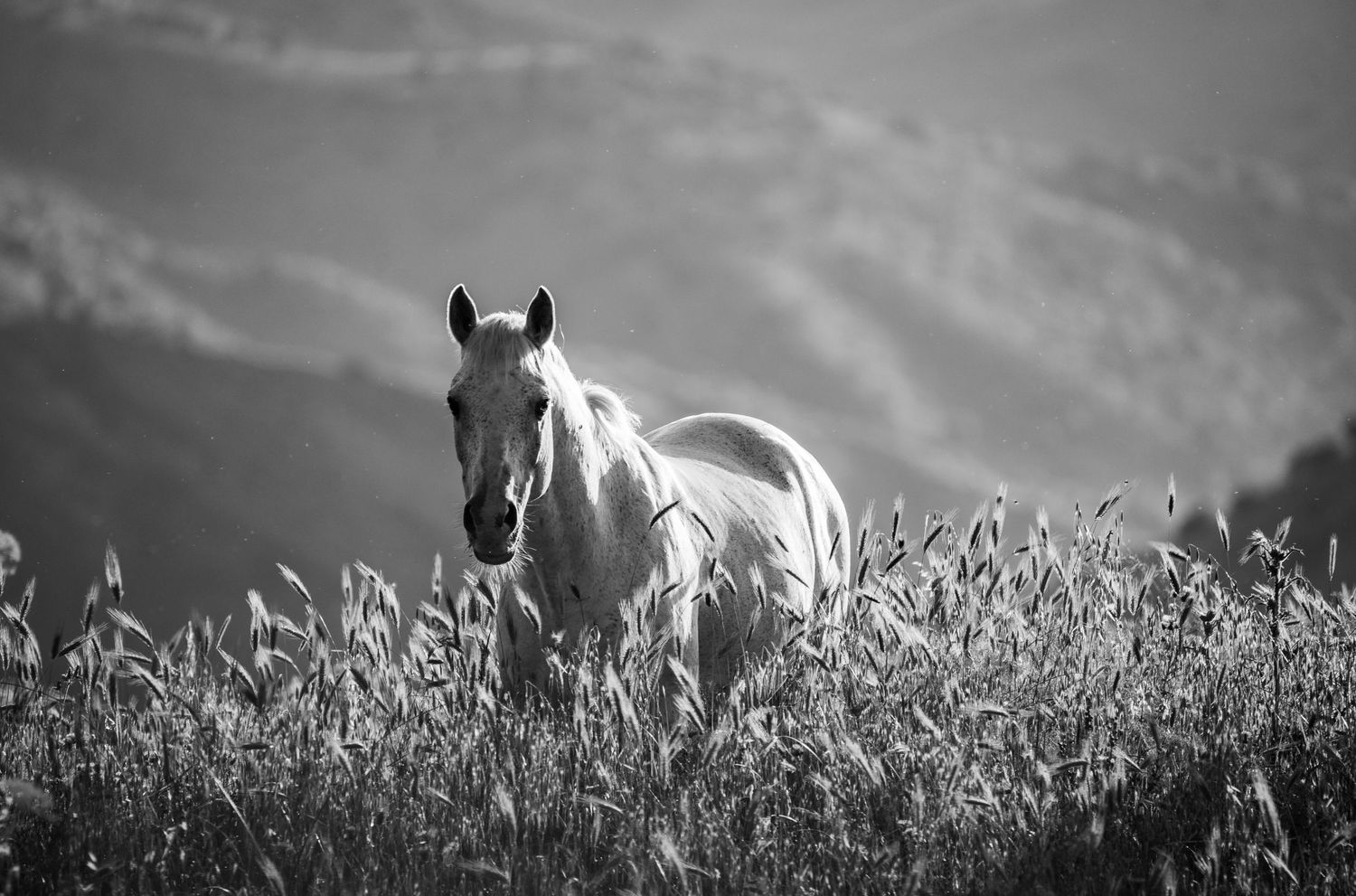
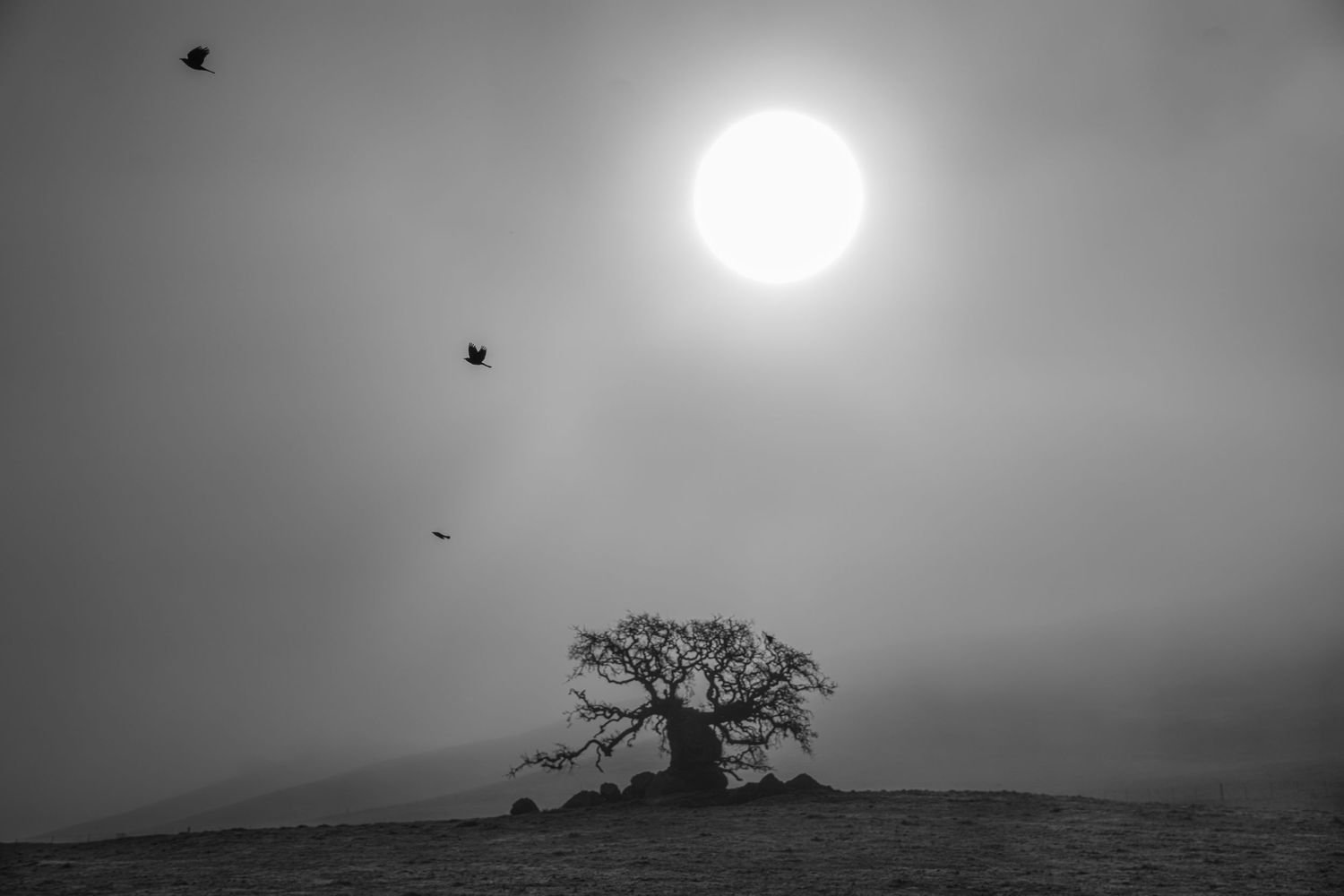
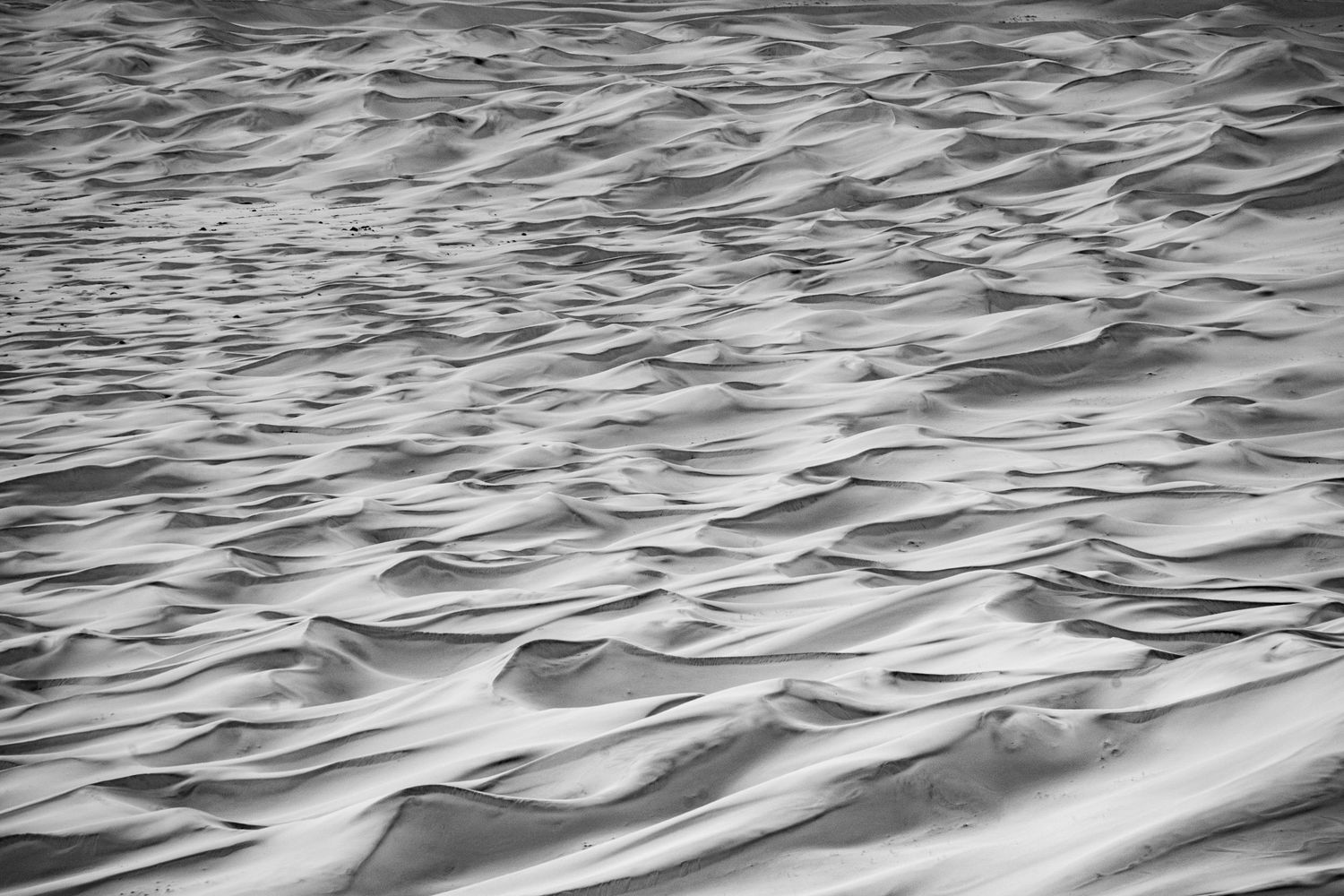
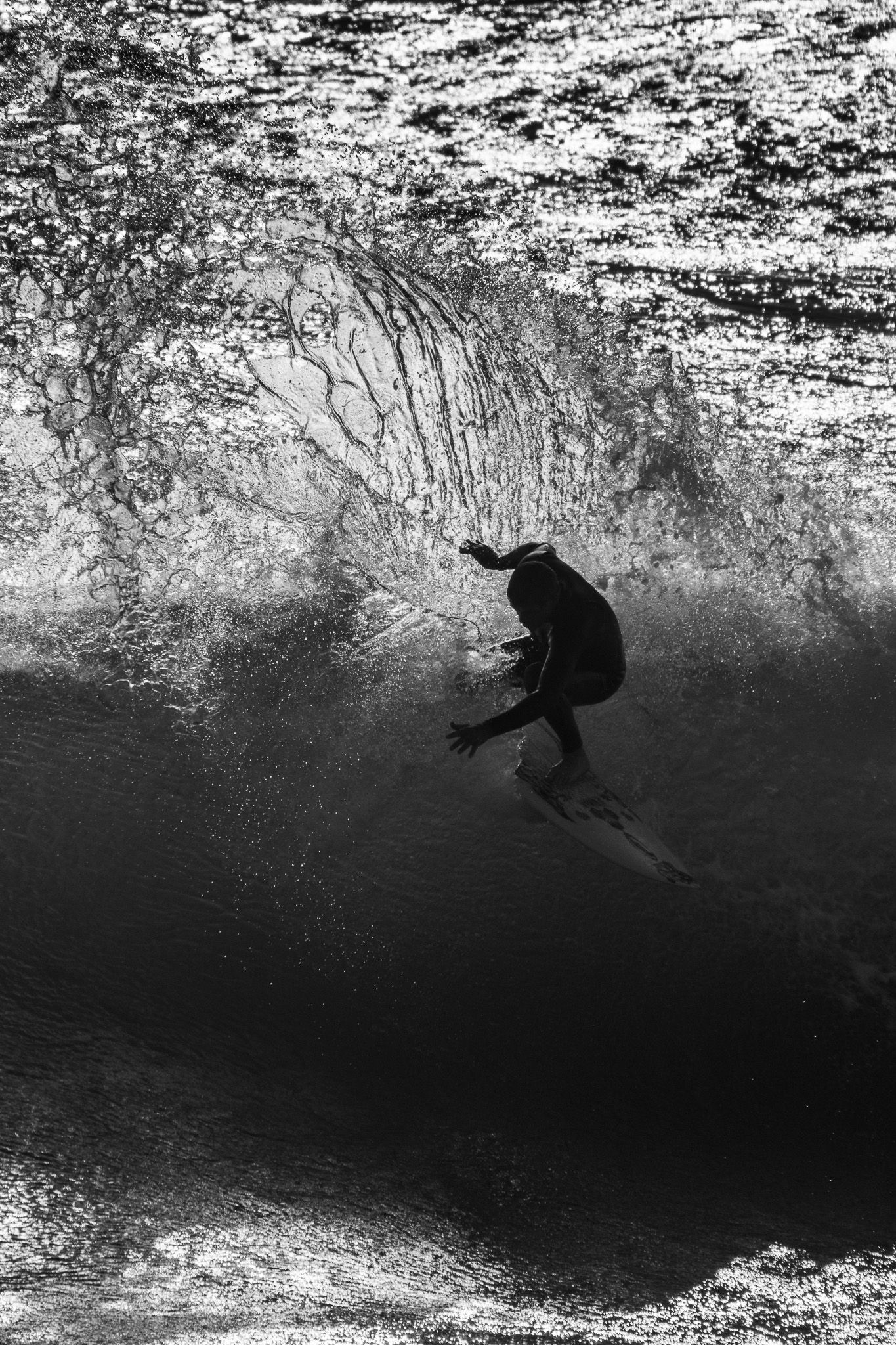
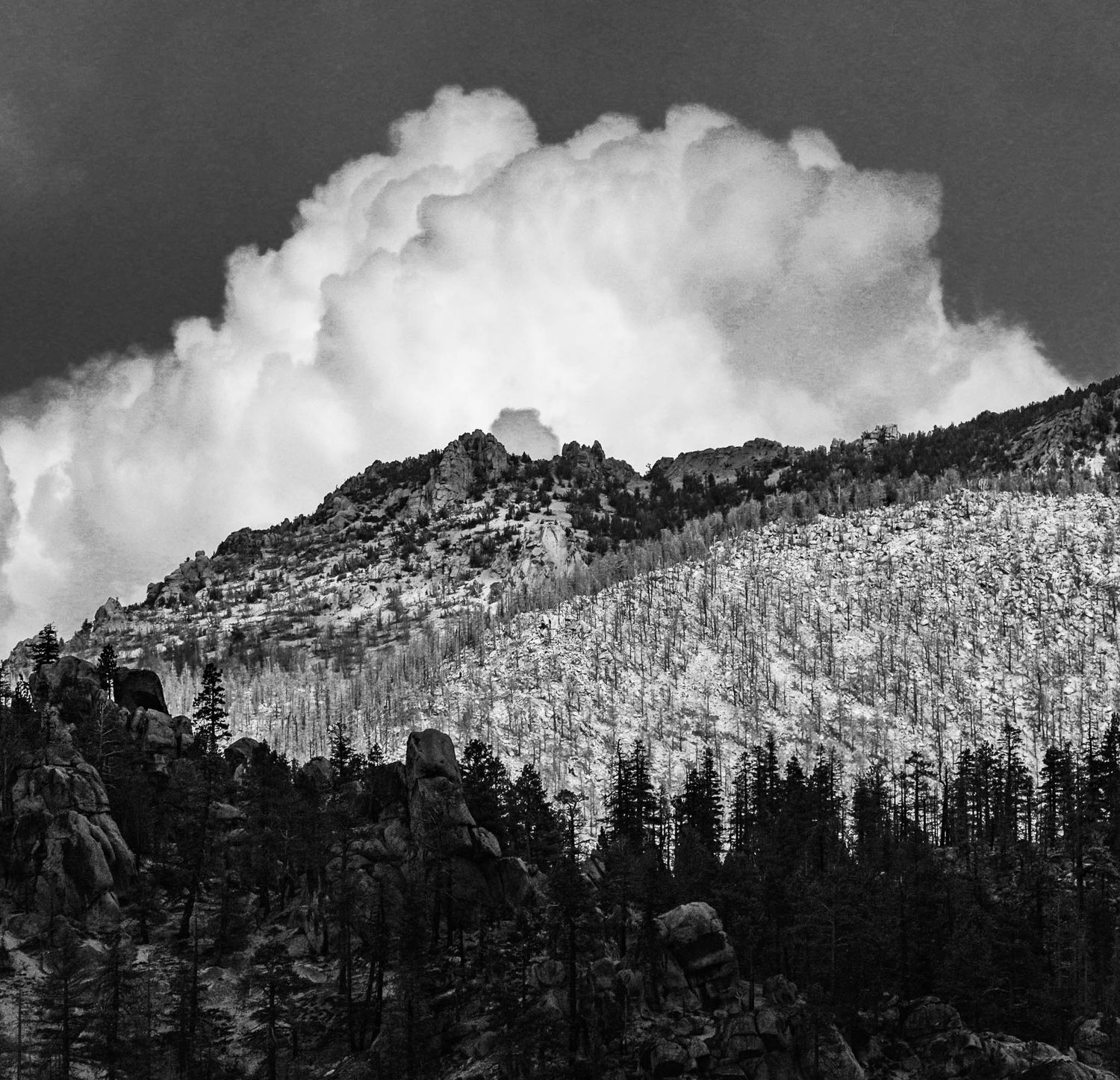
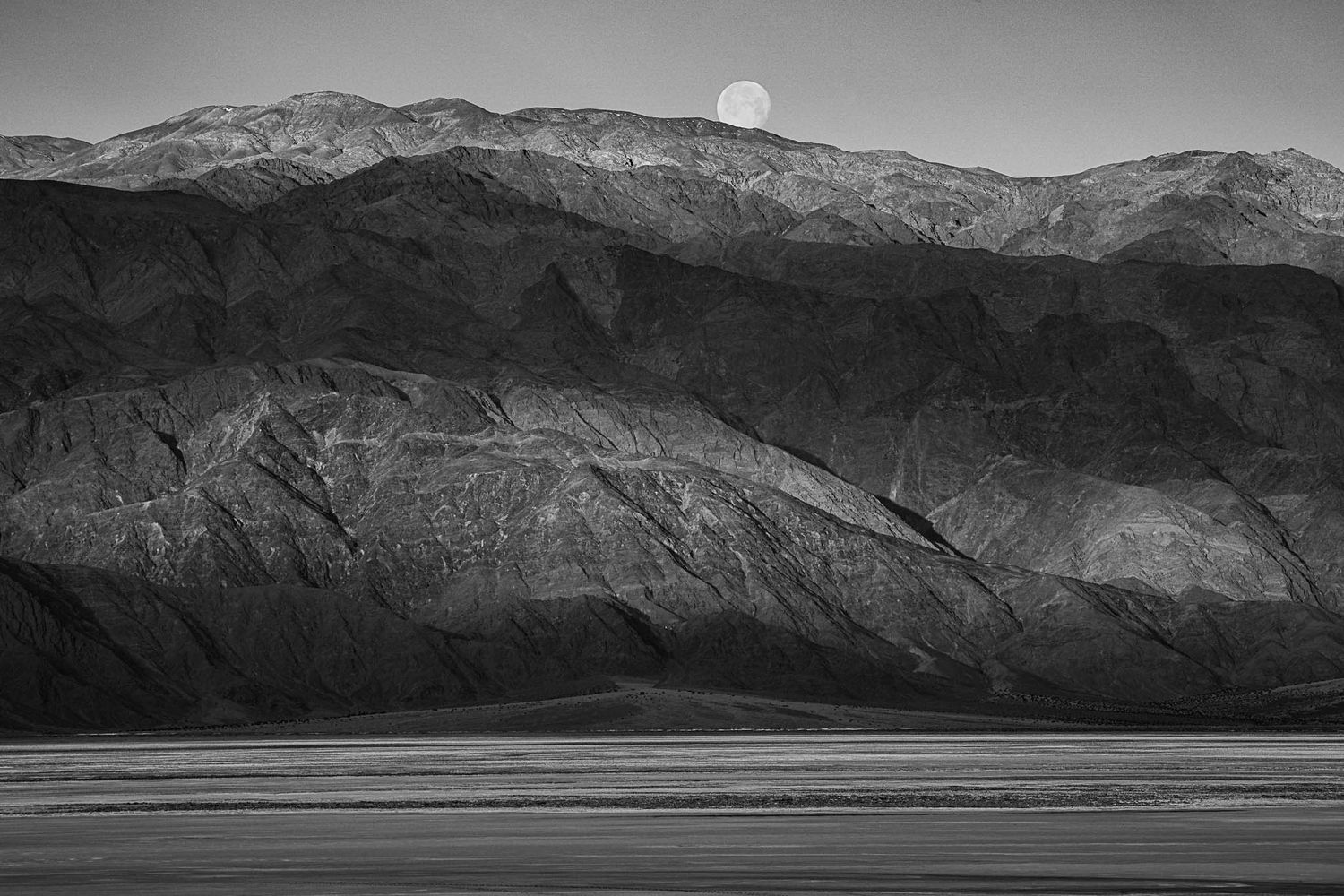
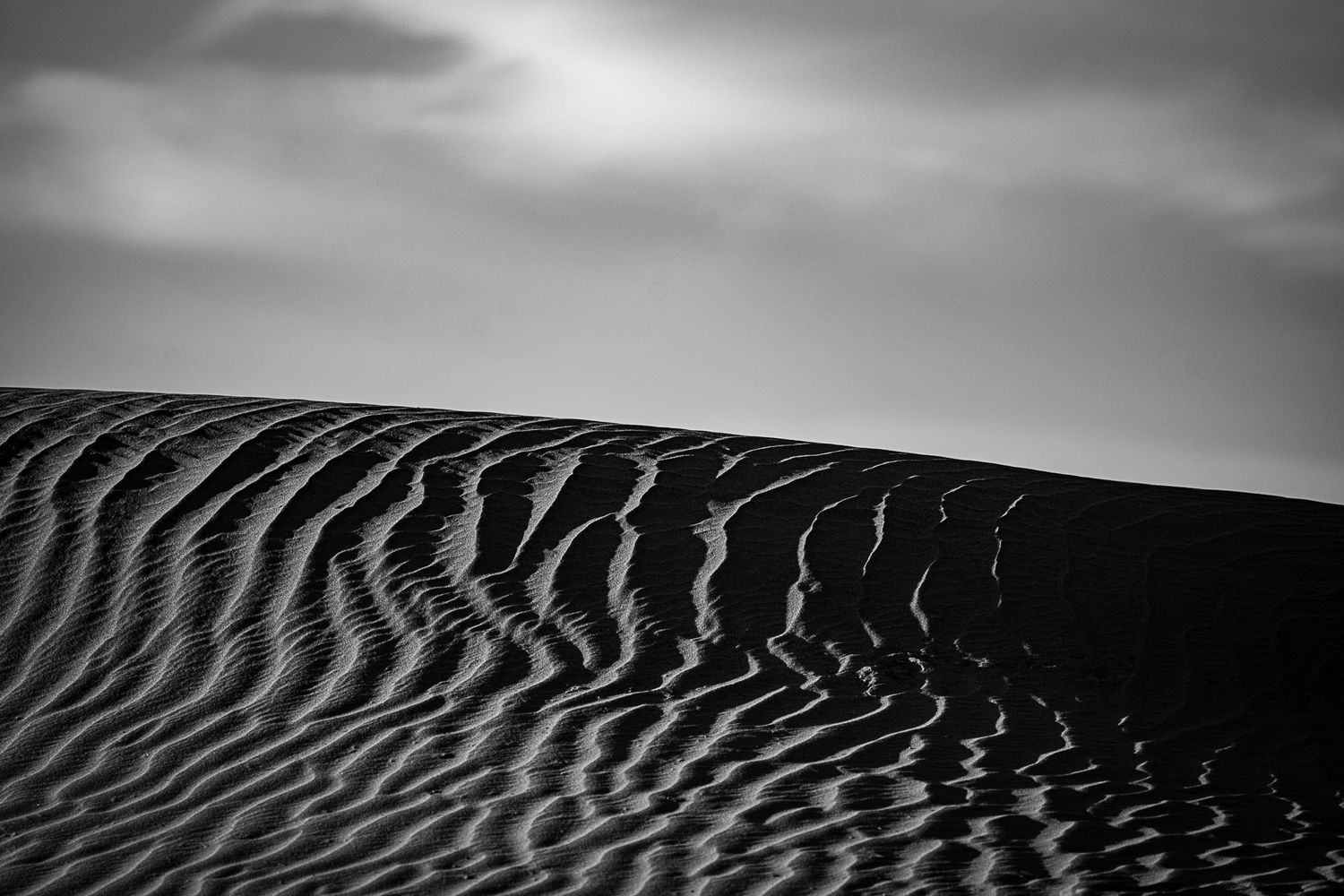
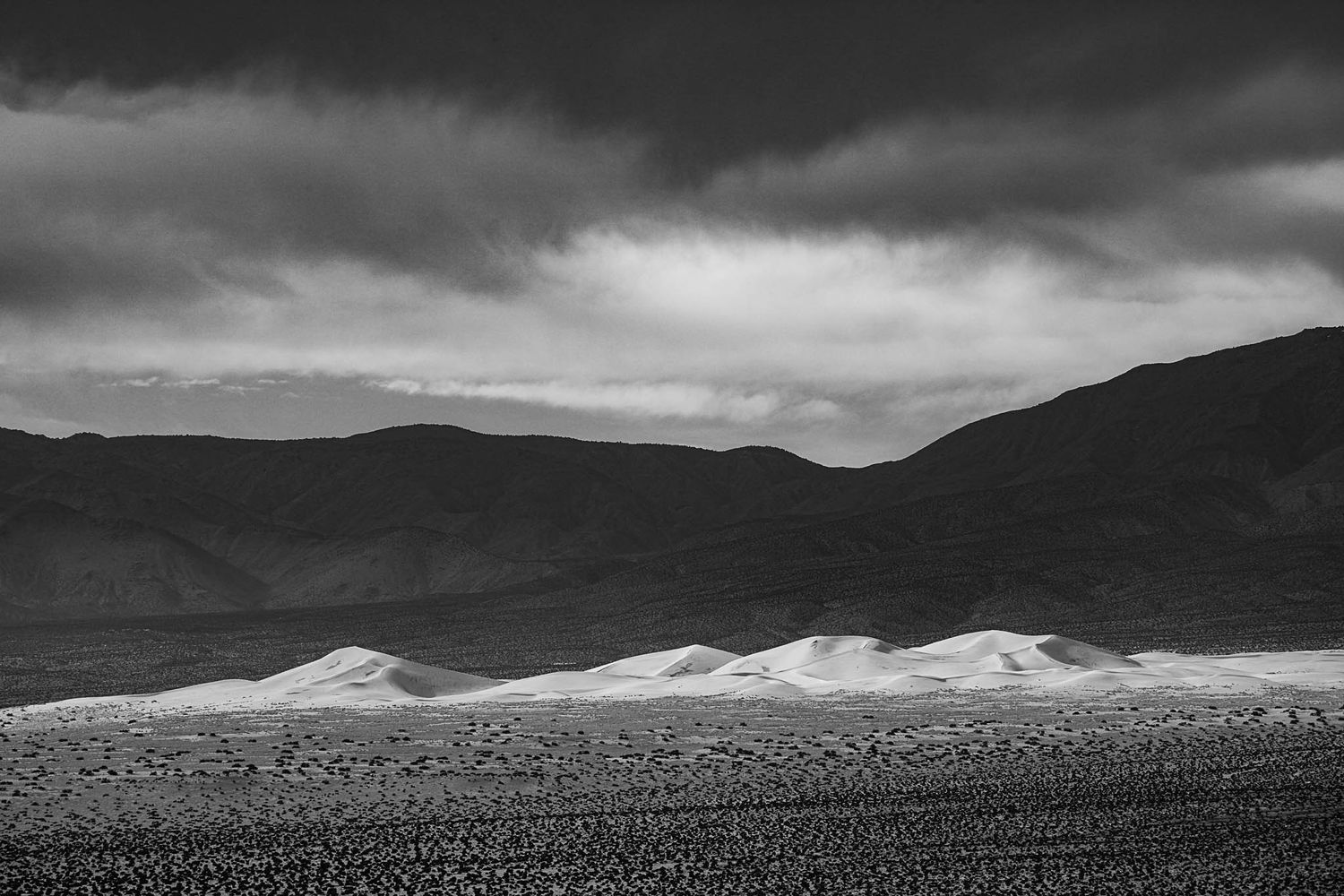
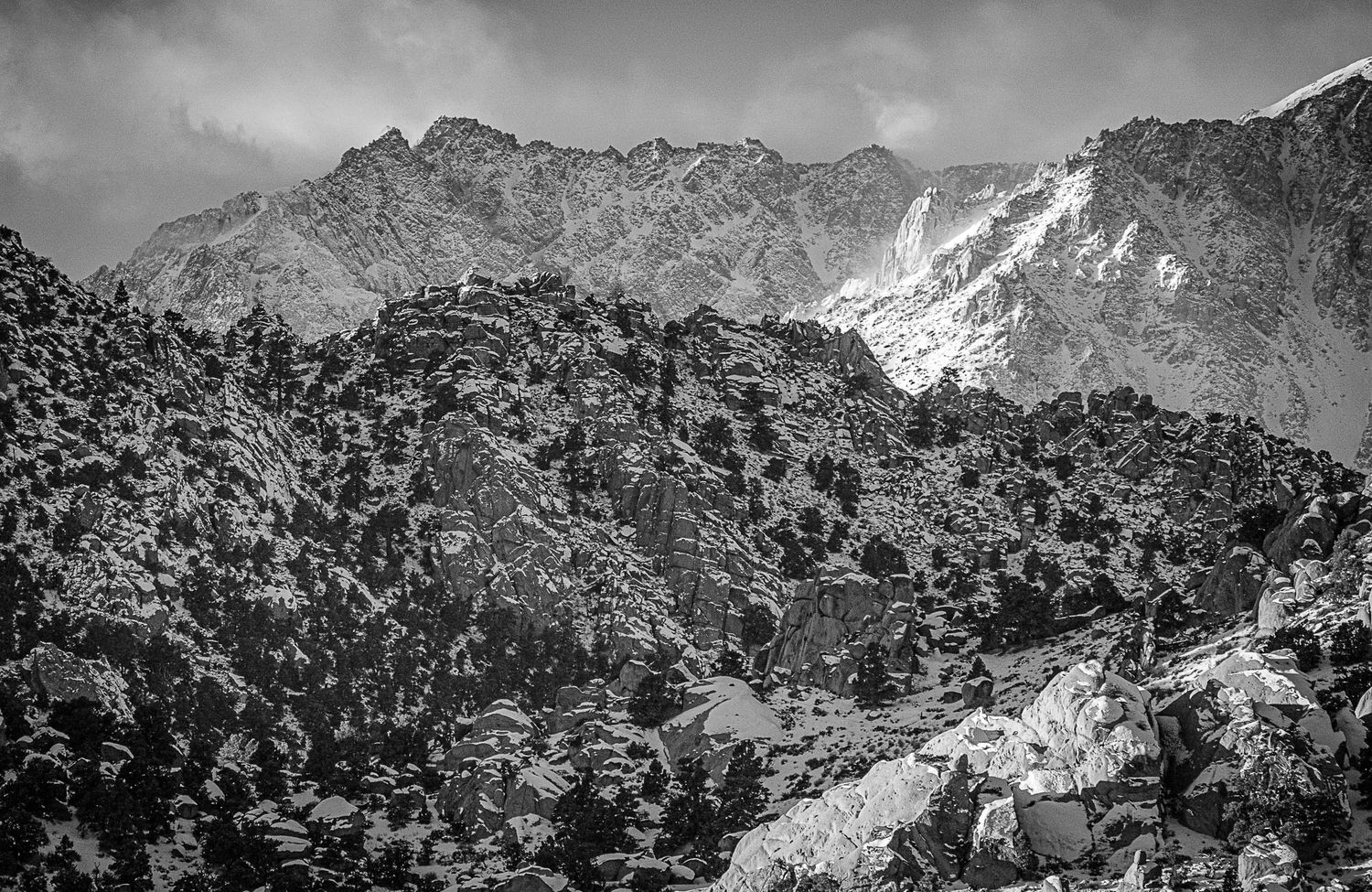
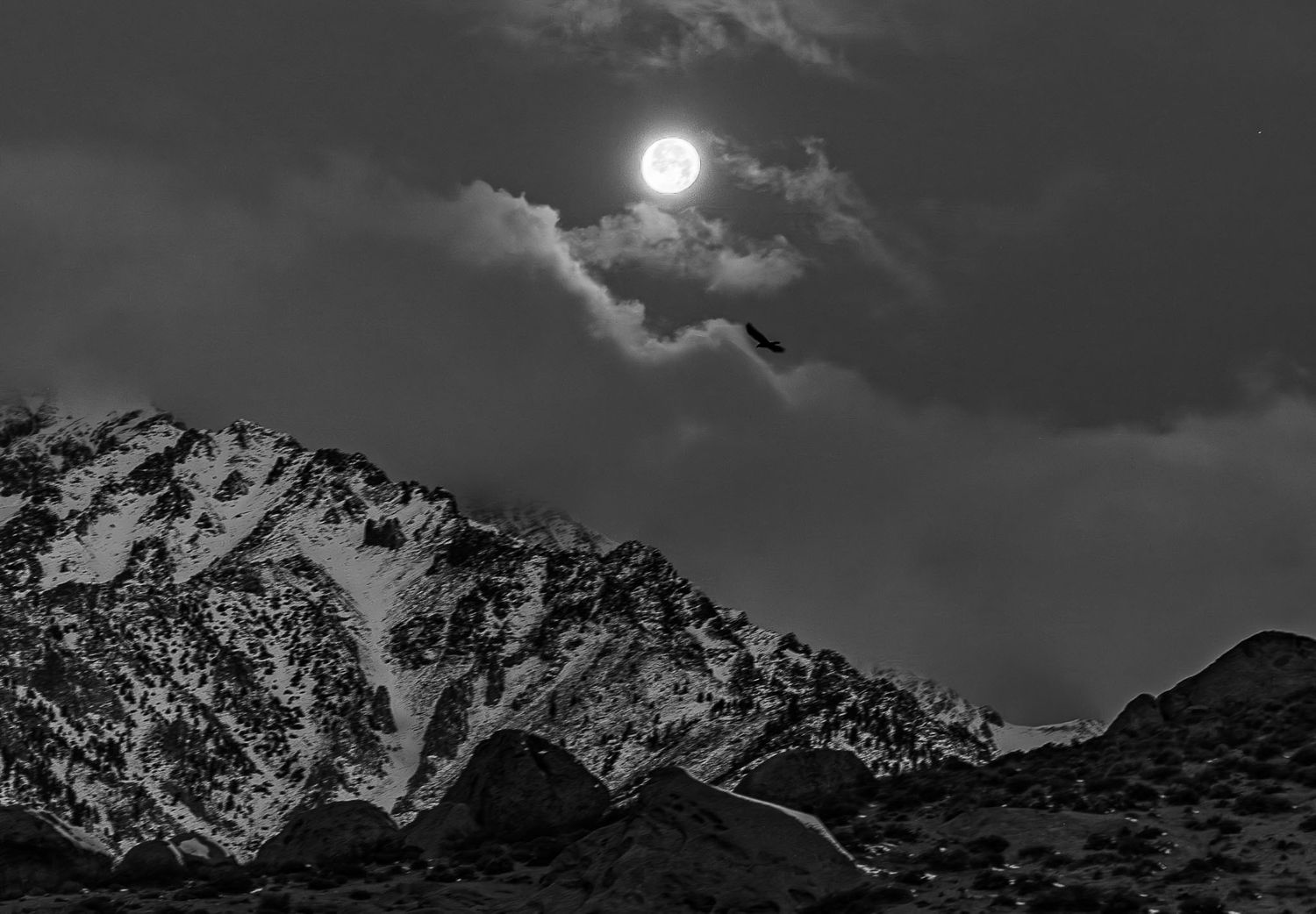
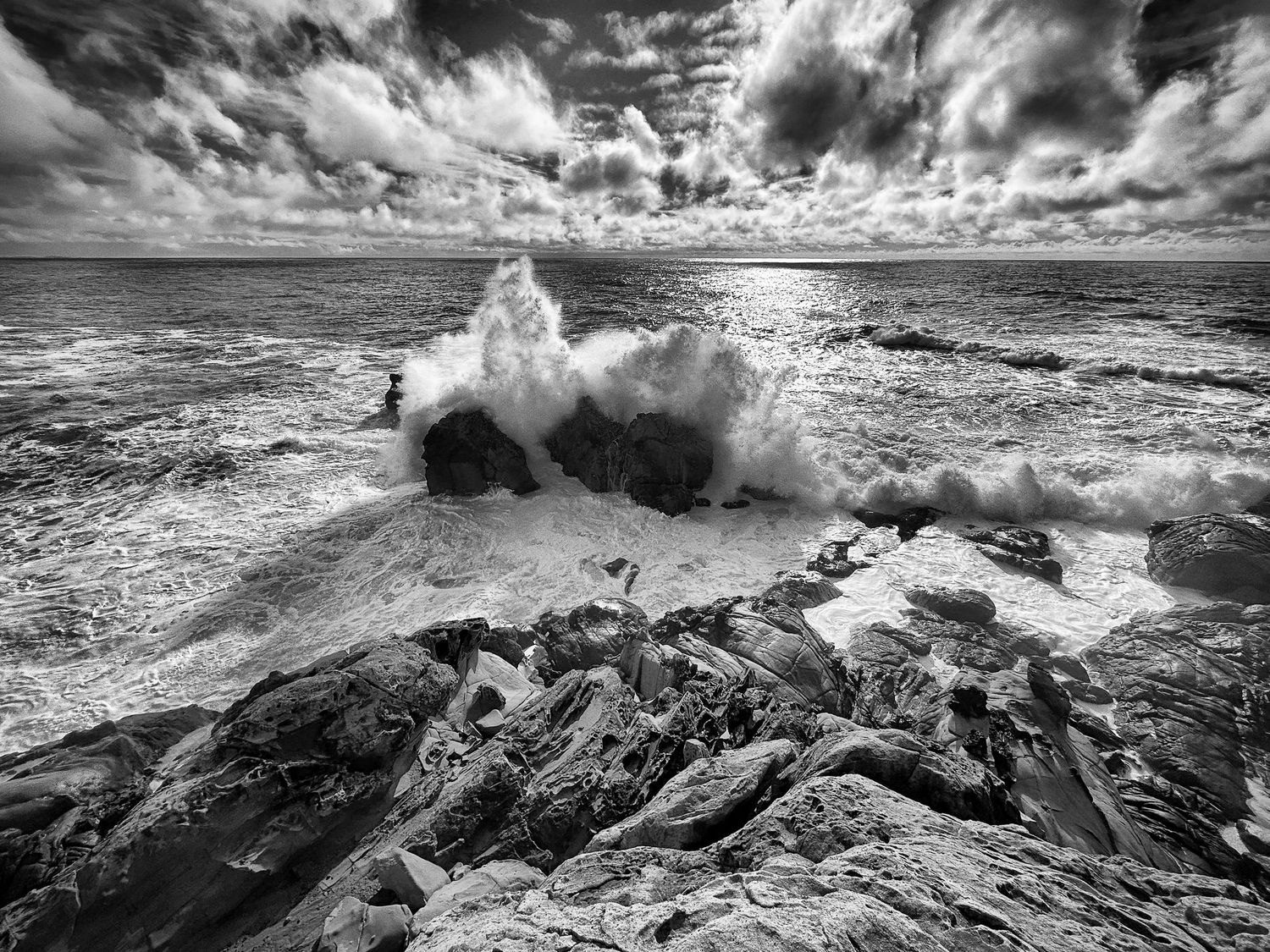
Black and white removes all of that and asks you to look at something else: structure, tone, texture, form. Without color, the eye moves differently through a frame. It follows edges and gradients instead of hue. It notices the way shadow defines a dune, the way mist softens the distinction between water and sky, the way a single dark figure against a bright horizon carries a weight that color would dilute.
For me, black and white photography has always been a metaphor as much as a technique. Life is rarely the absolutes we wish it were. It lives in the gray area between certainties, in nuance, in ambiguity, in the infinite tonal variations between pure light and pure shadow. A black and white photograph accepts that. It works with complexity rather than trying to resolve it.
My uncle Charlie, who first put a camera in my hands, shot almost exclusively in black and white. He had an eye for the structure of things, the geometry of a shadow, the texture of a weathered wall. I absorbed that way of seeing before I knew what I was absorbing, and it has never left me.
Why I Can't Choose
People sometimes ask me which I prefer. It's the wrong question, or at least it's the wrong frame for how I actually work.
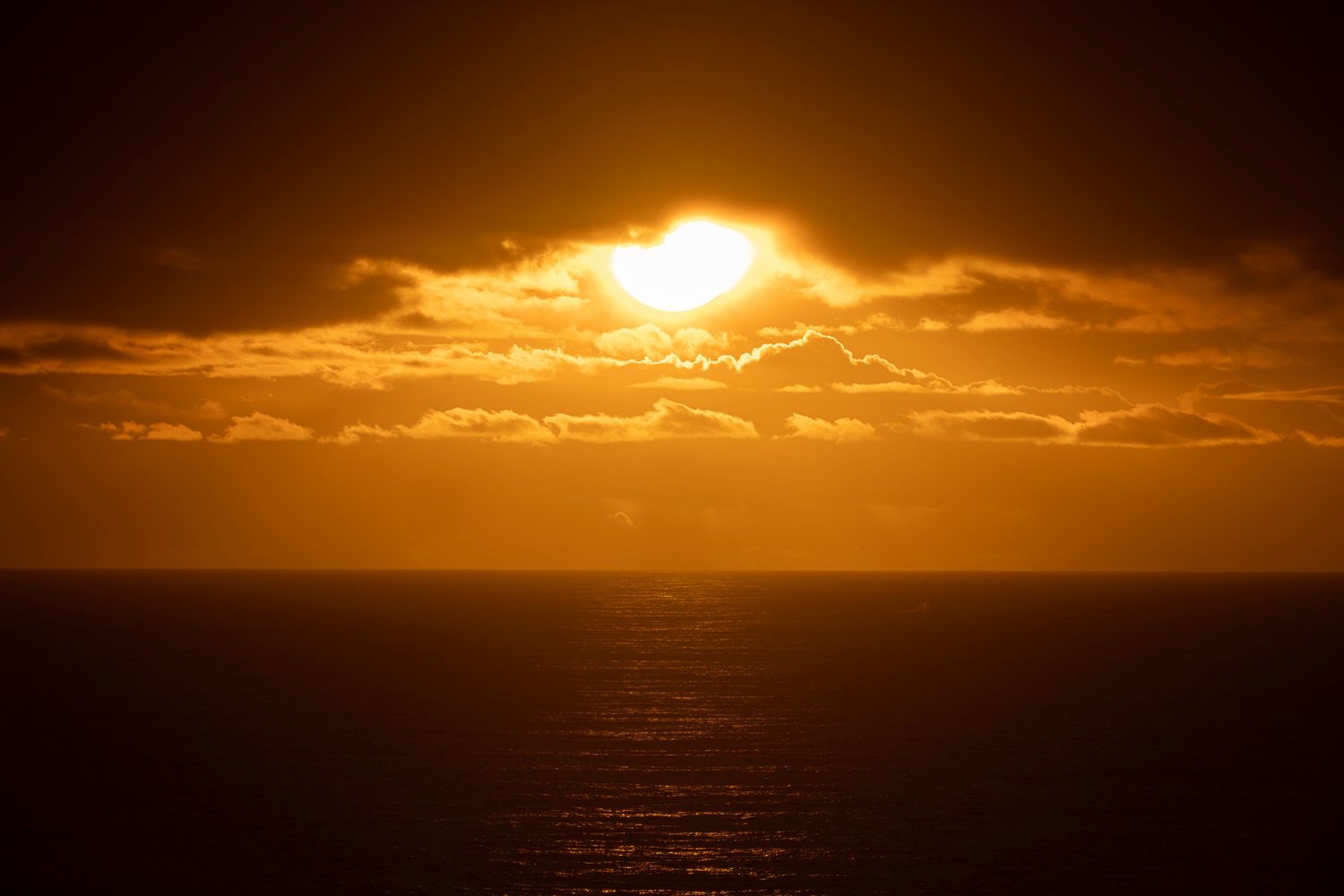
Some images are color images. The sunset at Drakes Beach when the chalk cliffs go amber, the light on Tomales Bay just after sunrise, color is doing work there that I wouldn't want to give up. Other images are black and white images. The Mesquite Flat Dunes under a full moon, the exposed beaches at Point Reyes in November, the fog hanging over the Marin hills before dawn. Strip the color from those and something is clarified rather than lost.
And then there are images that are genuinely both, where the color version and the black and white version are different photographs with different things to say. Those are the ones I find most interesting. They're not the same image in two formats. They're two separate ways of seeing the same moment.
That's why I bring both home.